A heavy, low brow can make a face look tired, stern or older than the person behind it actually feels. For many people the change creeps in so gradually that they only notice it in photographs. A brow lift is one of the most effective ways to restore a brighter, more open look to the upper face, yet it is also one of the least understood facial procedures. This guide explains what the operation involves, who it suits, how recovery unfolds and what a fair brow lift cost in the UK should cover.
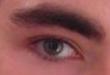
The position of the brow shapes how rested or tired the whole face appears. Image: Wikimedia Commons (public domain).
Why Brows Drop in the First Place
Several things happen at once as we age. The skin of the forehead gradually loses collagen and elasticity, the small fat pads that support the brow shrink, and the ligaments that anchor soft tissue to the skull loosen. Gravity then does the rest. The outer third of the brow is usually the first to fall, because it has the least muscular support from above, which is why a drooping tail of the eyebrow is such a common early sign.
Habit and genetics play their part too. Some people are simply born with a low brow position, while years of frowning or squinting can deepen the horizontal lines across the forehead and the vertical "11" lines between the brows. The result can be heaviness over the upper eyelids, a hooded look, and a face that seems cross or fatigued even at rest.
It is worth knowing that a low brow is often mistaken for excess eyelid skin. Many people who believe they need eyelid surgery actually have a brow that has descended and pushed tissue down onto the lid. A careful assessment of both areas together is the only way to know which treatment, or which combination, will give a natural result.
What a Brow Lift Actually Involves
A brow lift repositions the eyebrows and smooths the forehead by lifting and securing the underlying tissues at a higher, more youthful level. It is not about creating a surprised expression; a well-judged lift raises the brow by a modest amount so that the eyes look more open and the face looks rested rather than "done".
There are several surgical approaches, and the right one depends on the height of the forehead, the hairline, skin quality and how much lift is needed:
- Endoscopic brow lift – a few small incisions are made behind the hairline and a tiny camera guides the release and elevation of the tissues. Scars are minimal and hidden in the hair.
- Temporal (lateral) brow lift – focuses on the outer brow through incisions in the temple hair, ideal when only the tail of the brow has dropped.
- Hairline (pretrichial) brow lift – an incision along the front of the hairline lifts the brow without making a high forehead look even higher.
- Direct or mid-forehead techniques – used less often, usually for older patients or specific medical reasons such as nerve weakness.
Most procedures take between one and two hours and are performed under general anaesthetic or sedation, depending on the technique and the surgeon's preference. A brow lift is frequently combined with upper eyelid surgery, because the two areas work together to frame the eyes.
Who Is a Good Candidate?
The best candidates are people in good general health who are bothered by a low or heavy brow, hooding over the upper eyelids, or deep forehead creases that no longer respond well to non-surgical treatment. Common reasons patients seek a consultation include:
- Looking tired, sad or angry when they feel perfectly relaxed
- A heavy feeling over the eyes, sometimes with the upper lid skin sitting on the lashes
- Eyebrows that have become uneven or noticeably lower on one side
- Wanting a longer-lasting alternative to repeated anti-wrinkle injections
Realistic expectations matter as much as anatomy. A brow lift refreshes the upper third of the face; it does not change the lower face, jowls or neck. Smokers are usually asked to stop well before surgery, since smoking slows healing, and anyone with a history of dry eyes or previous eyelid surgery should mention it at the first appointment.
Recovery: What the First Few Weeks Look Like
Recovery from a modern brow lift is usually more comfortable than people expect. Swelling and bruising around the forehead and eyes peak around the second or third day and then settle steadily. Keeping the head elevated, using cold compresses and following the aftercare plan closely all help.
A typical timeline looks like this:
- Days 1–3: swelling, tightness across the forehead and some numbness of the scalp are normal.
- Days 7–10: stitches or clips are removed and most people feel comfortable being seen in public.
- Weeks 2–3: a return to desk-based work and light daily activity is realistic for most patients.
- Weeks 4–6: strenuous exercise and heavy lifting can usually resume with your surgeon's agreement.
- Months 3–6: residual swelling fades, scalp sensation returns and the final result becomes clear.
Temporary numbness or itching near the incisions is common as nerves recover. Serious complications are uncommon when the procedure is carried out by an experienced, registered surgeon in an accredited facility, which is one of the strongest reasons to choose the clinic carefully rather than on price alone.
Brow Lift Cost in the UK and What Your Quote Should Include
The brow lift cost in the UK varies with the technique, whether it is combined with eyelid surgery, the surgeon's experience and the region. As a guide, surgical brow lifts commonly start in the mid-£2,000s and rise from there for more complex or combined procedures. Non-surgical options such as anti-wrinkle injections or thread lifts cost less per session but last months rather than years.
When comparing quotes, check that the figure is all-inclusive. A transparent price should cover the surgeon's and anaesthetist's fees, the hospital or theatre costs, any overnight stay, post-operative garments or dressings, and every follow-up appointment. Ask directly whether revision or complication care is covered, because a cheap headline price can grow quickly once these extras are added.
It is also worth asking to see before-and-after photographs of patients with a similar starting point to yours, and confirming that the surgeon is on the GMC specialist register for plastic surgery. These questions take a few minutes but make a real difference to both safety and satisfaction.
Making the Decision
A brow lift can take years off a tired-looking face while still leaving you looking like yourself. The key is an honest consultation that looks at the brow and eyelids together, explains which technique suits your anatomy, and sets out the full cost and recovery plan in writing before you commit.
If you are considering the procedure and would like personalised advice on technique, recovery and pricing, you can get in touch with the Kliniken team to arrange a consultation with a specialist surgeon.